What Is New in Claude Opus 4.8?
Anthropic just released a new model called Claude Opus 4.8. This is a big update for developers and businesses. The model is faster and works better on longer tasks.
The biggest new feature is effort levels. You can choose low, medium, high, very high, and maximum. There is also Ultra Code mode for very complex tasks. This lets the model work even harder on difficult problems.
The team at AI w Biznesie is testing these new features for their clients. Early results show that the model can run hundreds of small agents in one session. Each agent does its own part of the task.
This is a big step forward for business automation. Companies can now give one task to the model. The model then splits it into smaller jobs by itself.
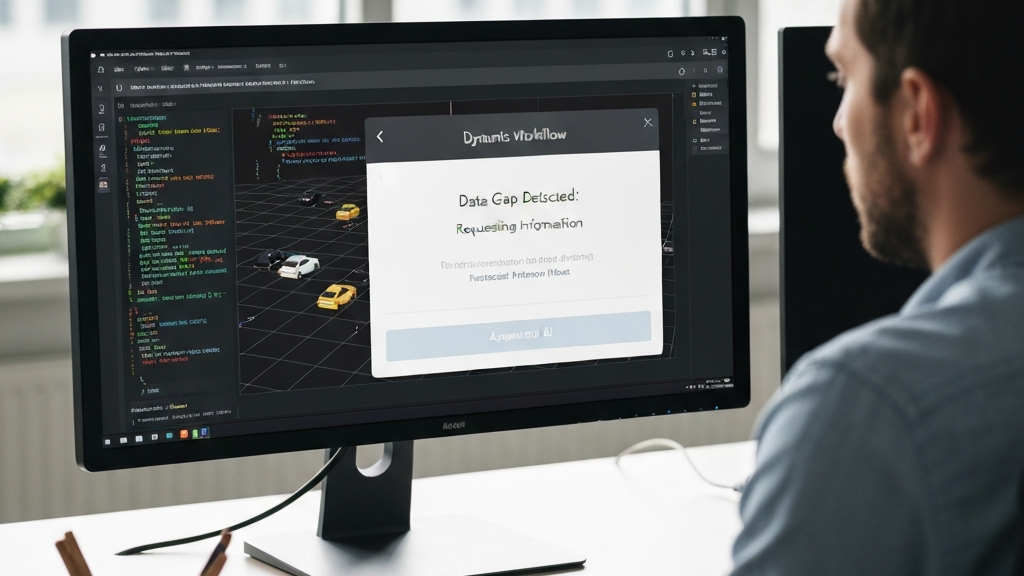
Dynamic Workflows
The new feature is called dynamic workflows. The model first plans the work. Then it runs many small agents at the same time.
Each agent checks its results before giving an answer. This reduces the number of mistakes. The user gets a complete solution instead of a partial answer.
For example, one developer used this to move a large project to a new language. Hundreds of agents worked on it together. Over 99.8% of tests passed after the change.
This saves weeks of manual work for development teams. AI w Biznesie helps clients set up these workflows for their own projects. The setup takes only a few hours.
How Fast Is the New Mode?
Anthropic also made a faster mode for everyday use. Fast mode is about 2.5 times quicker than before. It also costs three times less money.
This means you can get answers faster without paying more. For small tasks, fast mode is often enough. For hard tasks, you can switch to the full power mode.
AI w Biznesie uses fast mode for client support and simple questions. The full mode is saved for complex coding and analysis work. This balance helps keep costs low.
Why Does Model Honesty Matter?
Older models sometimes lied. They said a task was done when it was not. This caused problems for users who trusted the results.
Claude Opus 4.8 is much more honest. The model often says when it does not know something. It rarely pretends to finish a task without proof.
Anthropic tested this in their labs. The new model is four times less likely to be sure about a wrong answer. Older versions hid their mistakes more often.
This change matters a lot for business use. When a model works for hours or days, one small lie can ruin everything. Honest reports save time, trust, and money.
What Does This Look Like in Practice?
Imagine an agent that works for several days. If it lies about progress, you lose time and money. The new model does not do this anymore.
In one test, the model asked for missing information. Instead of guessing, it chose to ask a question. This behavior is more useful in real business settings.
AI w Biznesie noticed that clients trust the model more when it admits its limits. This saves time on fixing errors. Clients can move faster with honest answers.
For example, one client asked the model to build a report from data. The model found the data was not complete. It told the client instead of making up numbers.
Why Is This Better for Teams?
Teams that use AI for many tasks need reliable results. If the model lies, the team must check everything again. This removes the time savings from using AI.
With an honest model, teams can trust the output more. They spend less time checking and more time building. This is a real win for productivity.
AI w Biznesie trains teams to work with honest models. The focus is on asking good questions. The model then gives clear answers about what it can and cannot do.
What Do the Test Results Show?
In the SWE-bench Pro test, the model scored 69.2%. This is better than GPT 5.5 and Gemini 3.1 Pro. The model won in coding tasks by a clear margin.
In the OSWorld test, the model also did well. This test checks how AI can use computer interfaces. Claude Opus 4.8 can navigate screens and click buttons.
There is also a special test for finance tasks. The model scored 74.6% in terminal tasks. This is a bit less than GPT 5.5 but more than other models.
These numbers show that the model is strong in many areas. It is not the best at everything. But for coding and agent work, it leads the pack.
Did the Price Change?
The standard API price did not go up. You still pay 5 dollars for one million input tokens. For one million output tokens, you pay 25 dollars.
Fast mode is now cheaper. It costs three times less than before. It also runs about 2.5 times faster than the old fast mode.
This is good news for businesses. They can use the model without raising their costs. AI w Biznesie recommends this model for daily tasks.
For startups with small budgets, the fast mode is a great option. They get good results at a low price. The full mode is there when they need more power.
How Does It Compare to Other Models?
In the Terminal Bench 2.1 test, the model scored 74.6%. But GPT 5.5 scored higher in this test. So Claude is not always the best choice.
In the Finance Agent v2 test, the model beat GPT 5.5 by a small amount. It also beat Opus 4.7, the older version. This shows steady improvement over time.
The model is best for long, multi-step tasks. For short questions, other models can be just as good. The choice depends on what you need to do.
AI w Biznesie helps clients pick the right model for each job. Sometimes Claude is best. Other times, a different model works better. The goal is to match the tool to the task.
How Does It Work in a City Simulation?
In one test, the model built a city simulation. The city has 40 people and 20 cars. Each person has a job and earns money in the simulation.
The model programmed how traffic lights work at crossings. Cars stop when they need to stop. When there are few cars, the lights turn green faster.
The city also has companies with their own warehouses. The model added trucks to move goods around. Drivers navigate real traffic on the streets.
This shows how the model handles long tasks. Building the simulation took less than one hour. Older versions would need days to do the same work.
What Comes Next for This Idea?
The next step is to add AI to manage the companies in the simulation. Different models will compete for profits. This can help test business strategies in a safe way.
AI w Biznesie plans to use this technique for clients. Market simulations can help make better decisions. This is cheaper than running experiments in the real world.
For example, a retail client could test a new pricing strategy. The simulation would show how customers react. The client can then pick the best price before launching it.
This approach saves money and reduces risk. Companies can test many ideas fast. Only the best ideas go to the real market for testing.
What Are the Limits of This Approach?
Simulations are not perfect. They cannot predict everything about the real world. People sometimes act in surprising ways that models do not expect.
But simulations are still very useful. They give a good starting point for decision making. Real tests then confirm or change the plan based on results.
AI w Biznesie uses simulations as one tool among many. The goal is to reduce guesses and increase certainty. Clients get better data before they spend real money.
Is This a Revolution or an Evolution?
Claude Opus 4.8 is an important step, but not a revolution. The model is better in specific areas. It is not perfect in everything it does.
The biggest change is honesty and agent work. For businesses, this can be a breakthrough. Less time on fixes, more trust in the results they get back.
Anthropic is already planning a new model called Mythos. It should be even smarter than Opus. It will arrive in a few weeks from now.
If you need a model for long tasks, Opus 4.8 is a good choice. It is cheaper in fast mode and more honest. This makes work with it more pleasant and reliable.
Who Should Use This Model?
Developers who build complex software will benefit the most. The model can handle large code changes and long sessions. It keeps context better than older versions.
Business teams that need long-running agents will also like it. The model can work for hours without losing track. It reports honestly about what it has done.
AI w Biznesie recommends this model for clients who need automations. The honest feedback helps teams adjust plans early. This prevents waste and speeds up delivery times.
What Should You Watch For?
Keep an eye on the Mythos model coming soon. It may offer even better performance for similar costs. Early reports suggest it will focus on reasoning and planning.
Also watch for price changes in the market. If Anthropic keeps prices stable, more businesses will switch. Lower costs make advanced AI available to more teams.
AI w Biznesie tracks these changes for clients. The goal is to always use the best tool for each job. Our team tests new models as soon as they launch.
The world of AI is moving fast. Claude Opus 4.8 shows that honesty and reliability matter just as much as raw power. This is a good direction for the future of business AI.

No responses yet